IRCC 2025 Work Permit Reforms – Canada’s immigration system is undergoing a significant shift as Immigration, Refugees and Citizenship Canada (IRCC) rolls out major work permit reforms for 2025. These updates are designed to better align foreign worker intake with labour market needs while tightening eligibility in certain categories. For many temporary residents and overseas applicants, the new rules could directly affect job opportunities, permit validity, and pathways to permanent residence. As Canada continues to balance economic growth with workforce protection, understanding these changes is essential for foreign workers planning to work, stay, or transition within the country.
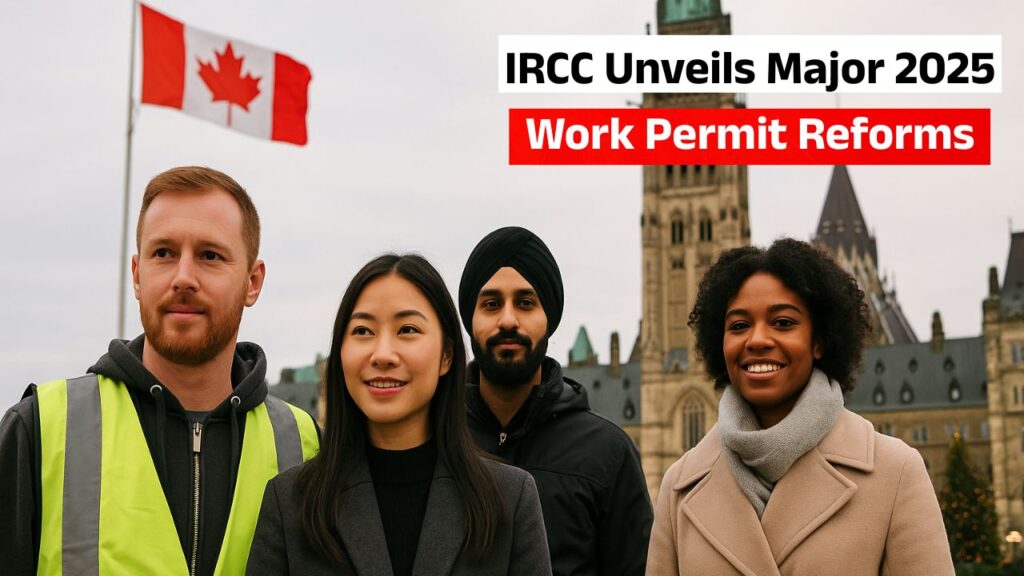
IRCC Work Permit Reforms 2025 Impacting Canadian Foreign Workers
The IRCC work permit reforms introduced for 2025 mark a strategic shift in how Canada manages temporary foreign labour. These changes focus on prioritizing high-demand occupations, strengthening employer compliance, and limiting permits in sectors showing reduced labour shortages. For foreign workers in Canada, eligibility may now depend more heavily on wage thresholds, employer track records, and regional labour needs. The Canadian government aims to reduce misuse of temporary permits while ensuring businesses still have access to skilled talent. As a result, some applicants may face stricter scrutiny, while others in priority sectors could benefit from faster processing and longer permit validity.
 December 2025 CRA Payments Explained — Grocery Rebate, GST, CPP and OAS Dates Canadians Must Know
New Eligibility Rules Under Canada’s 2025 IRCC Policy Updates
Under the updated 2025 IRCC policy, new eligibility rules redefine who can qualify for a Canadian work permit. These revisions place greater emphasis on genuine job offers, verified employer demand, and alignment with Canada’s economic priorities. Certain low-wage streams are being capped, while high-skilled roles in healthcare, technology, and construction receive favourable consideration. For international workers, this means applications must be more precise and well-documented than before. Canadian authorities have also expanded refusal grounds for incomplete or misleading applications, signaling a tougher stance aimed at maintaining system integrity and protecting both foreign workers and domestic labour markets.
 Canada Grocery Rebate 2025 Confirmed — CRA Shares When Payments Start and Who Will Receive Cash
| Category | Old Rules | 2025 Updated Rules |
|---|---|---|
| Eligibility Focus | Broad occupation coverage | High-demand and priority sectors |
| Employer Requirements | Standard compliance checks | Enhanced compliance history review |
| Low-Wage Streams | Higher intake limits | Stricter caps and regional limits |
| Permit Validity | Shorter durations common | Longer permits for key roles |
| Application Scrutiny | Moderate verification | More rigorous assessment |
How 2025 Canada Work Permit Changes Affect Overseas Applicants
For overseas applicants looking to work across Canada, the 2025 work permit changes introduce both challenges and opportunities. Applicants must now ensure their job offers clearly match approved occupational categories and regional labour shortages. Canadian immigration officials are placing increased weight on employer credibility and the long-term economic value of each application. While this may slow down or restrict access for some roles, it also creates clearer pathways for skilled professionals who meet Canada’s workforce needs. Understanding these revised criteria before applying can help foreign nationals avoid refusals and better position themselves within Canada’s evolving immigration framework.
IRCC 2025 Compliance and Employer Accountability Across Canada
A key element of the 2025 reforms is stronger employer accountability across Canada. IRCC has expanded monitoring and enforcement measures to ensure employers hiring foreign workers comply with wage, working condition, and reporting standards. Canadian businesses with a history of violations may face bans or increased scrutiny, directly affecting the work permit prospects of foreign employees. For workers, this shift provides greater protection against exploitation but also means that choosing a compliant employer is more critical than ever. These measures reflect Canada’s broader goal of creating a fair, transparent, and sustainable temporary foreign worker system.
Frequently Asked Questions (FAQs)
 $1,120 Canada Carbon Rebate Landing on 20 December 2025 — Households Urged to Check Bank Details Now
1. Do the 2025 IRCC work permit reforms apply to all foreign workers?
Yes, the reforms affect most temporary foreign worker streams, though the impact varies by occupation and wage category.
2. Will existing Canadian work permit holders be affected?
Most current permit holders can continue working, but renewals may be assessed under the new 2025 rules.
3. Are high-skilled jobs favoured under the new Canada work permit rules?
Yes, high-demand and high-skilled occupations generally receive priority under the updated IRCC framework.
4. Can these changes affect pathways to permanent residence in Canada?
Indirectly, yes, as work permit eligibility can influence Canadian experience used for permanent residence programs.